Resonant Design
New Watches and Key Visuals for Today.
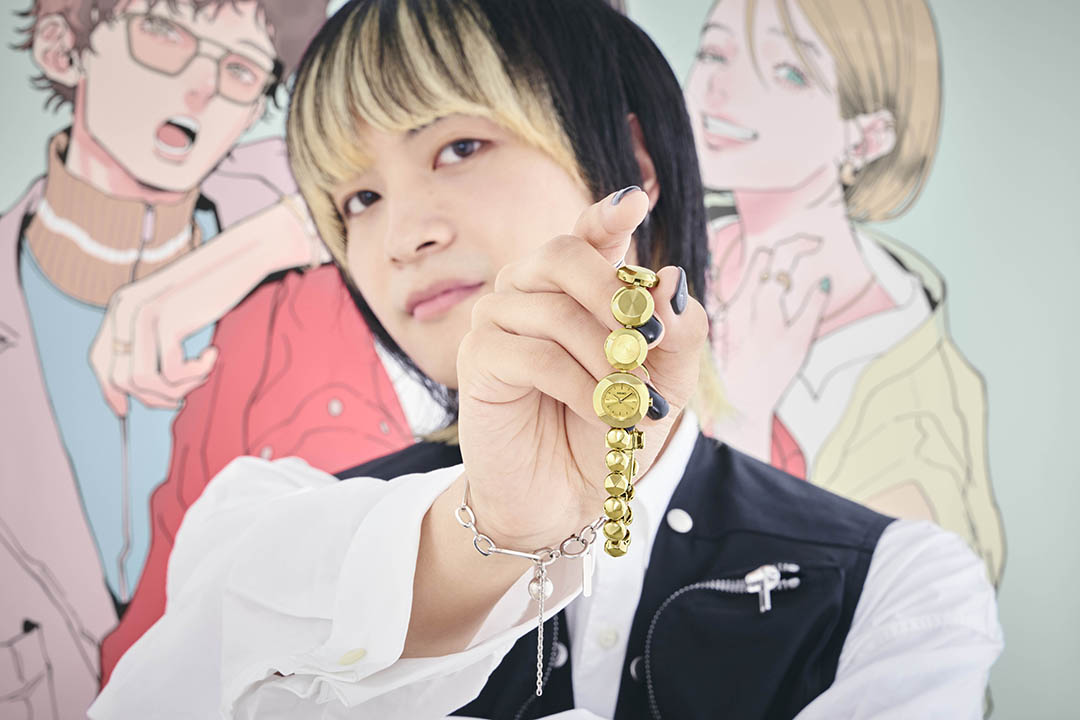
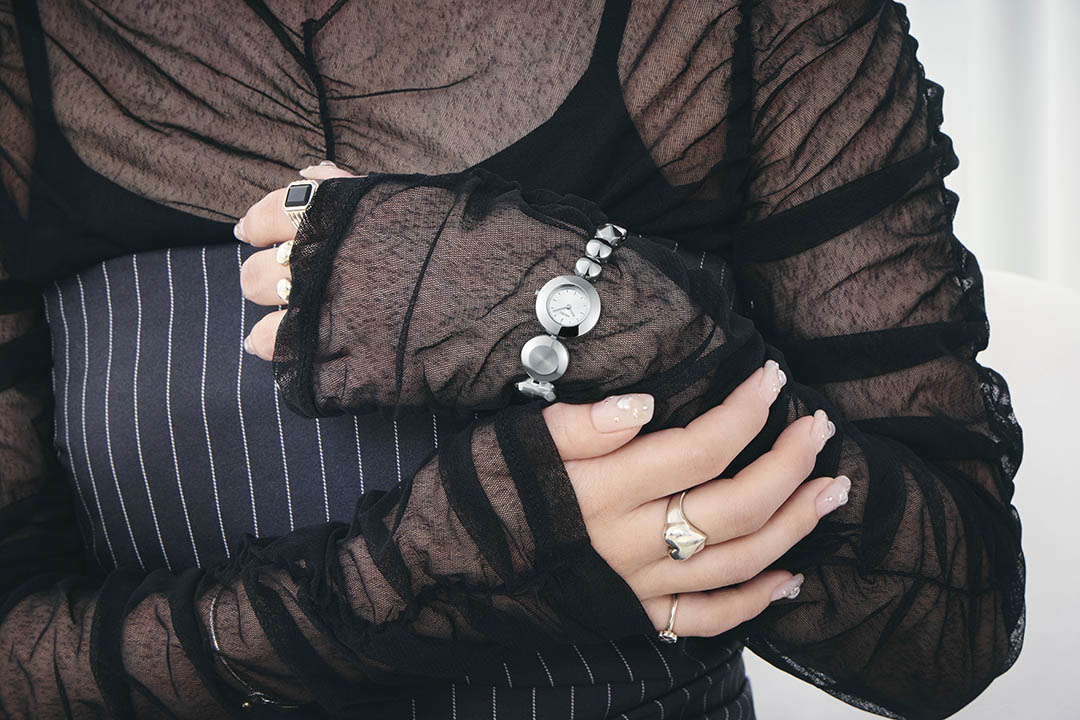
The collection 1, the first watch to emerge from the Seiko power design project,
is not really a wristwatch. It is a product designed to stimulate one’s
innermost aesthetic sensibilities.
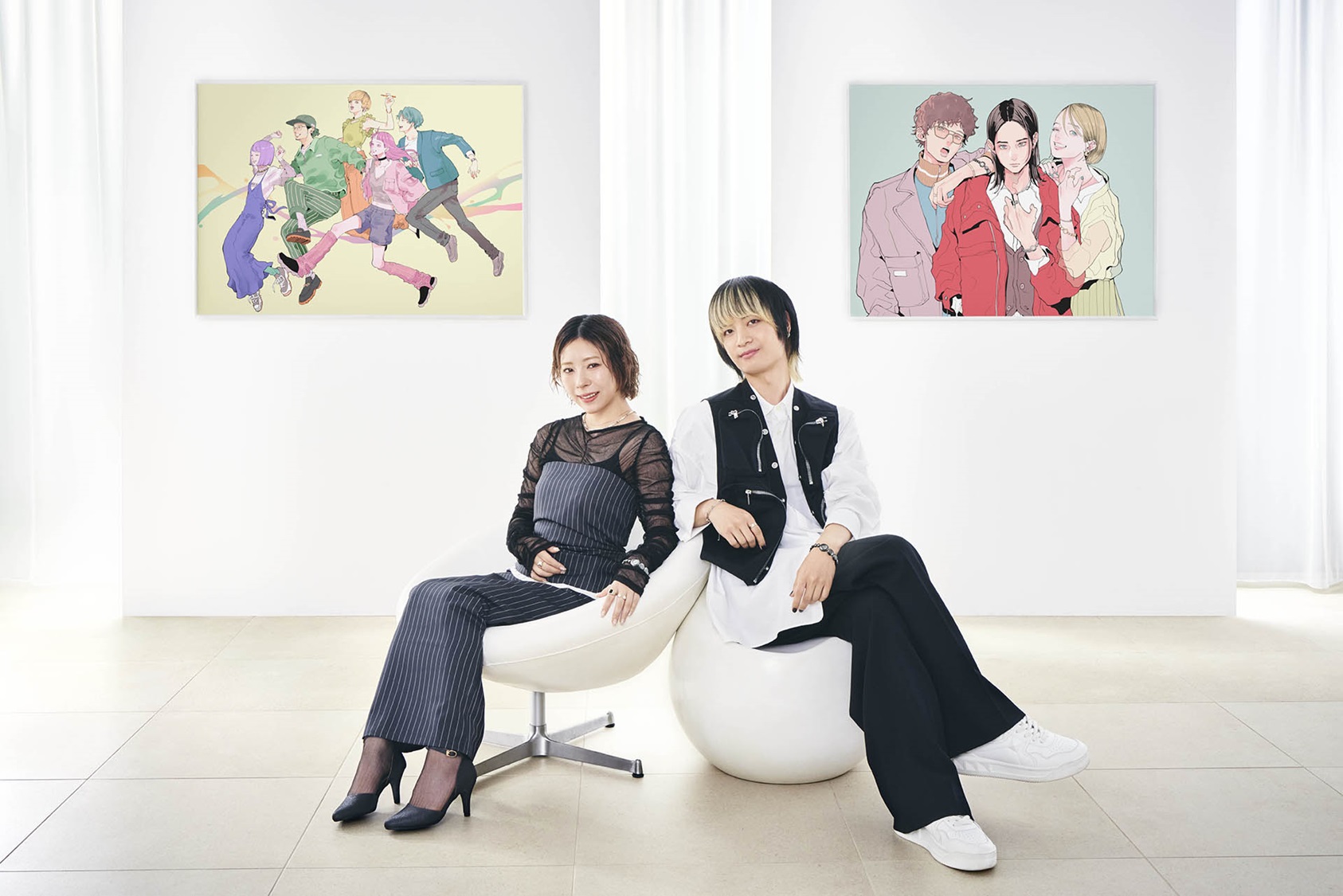
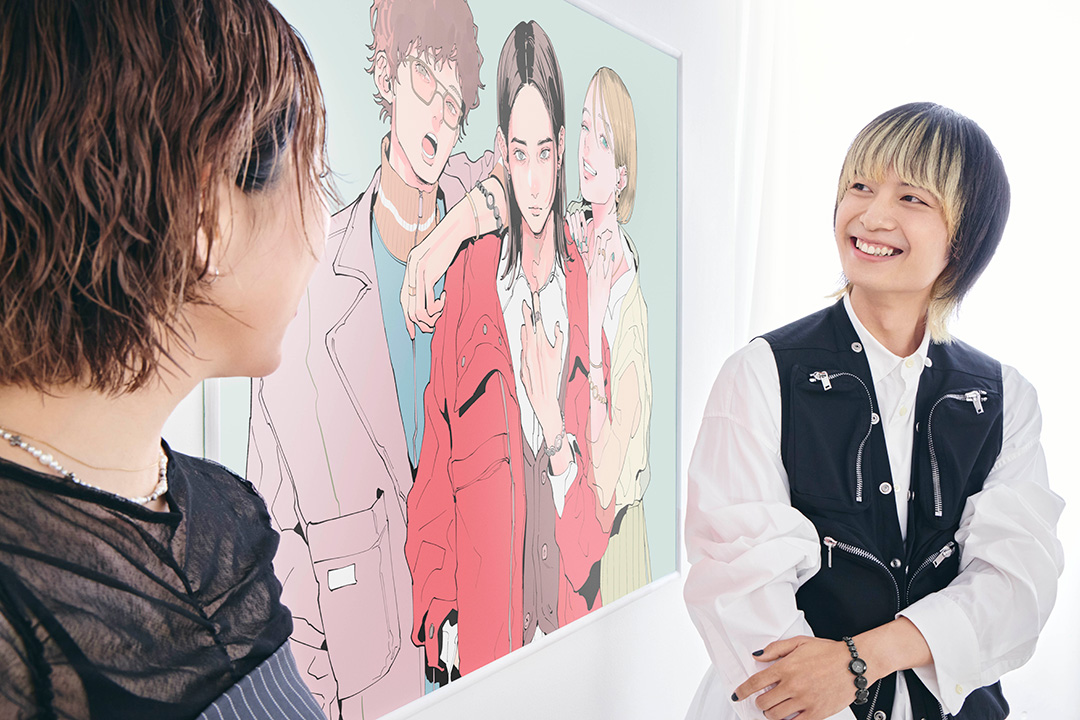
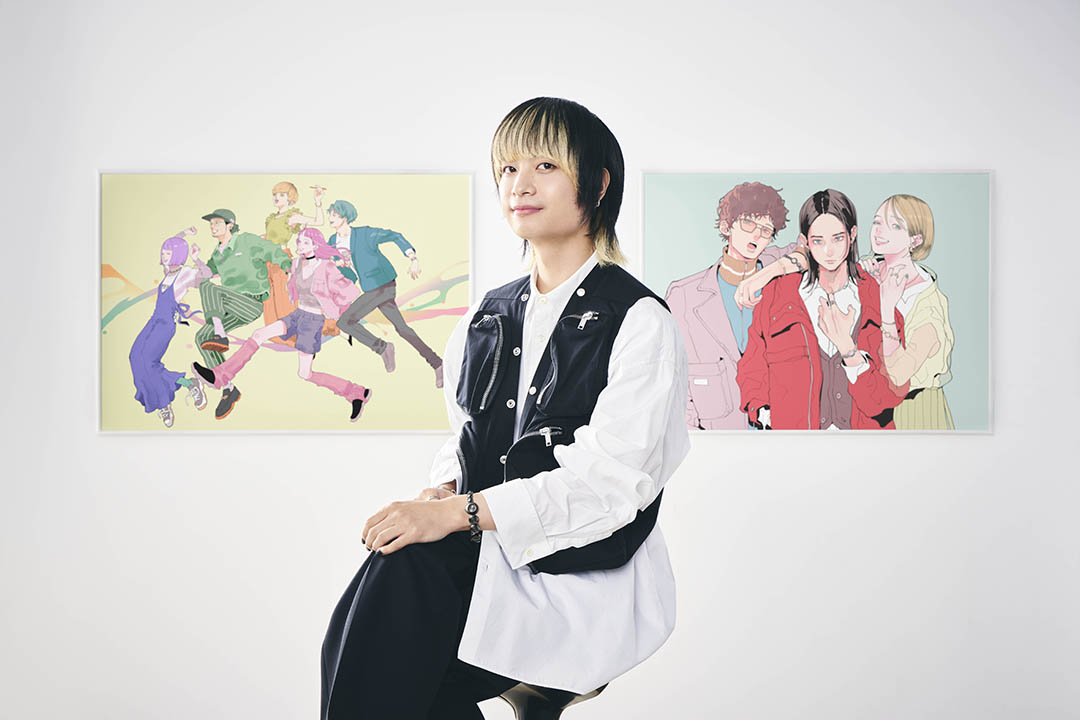
Together with special guest NAKAKI PANTZ, the illustrator responsible for the
key visuals of Seiko power design project and collection 1, we interviewed Yuya
Suganuma, the principal designer, to explore how collection 1 was created and
discuss its unique appeal.
The power design project is revived
Yuya Suganuma: Watches have been a familiar part of my life since I was a
student. Of course, I didn’t own many then, but I would wear one when meeting people
outside the university, when working as an intern, for example. I clearly viewed
watches as a form of self-expression rather than as a device for telling the
time.
After joining the company in 2021, Suganuma was involved in the design of the Seiko
5 Sports collection. It was around that time that he heard about plans to revive the
power design project, which ran from 2001 to 2009. This was an experimental
initiative aimed at getting Seiko watch designers to freely explore new
possibilities in watch design.
The project encourages Seiko’s designers to create new wristwatch products by trying
design approaches and experimenting with possibilities that break free from
traditional norms. Younger designers, such as Suganuma, who had just joined Seiko,
were actively encouraged to participate.
Suganuma: In a typical design process, a planer comes up with a concept and
designers respond to it, so this was a rare opportunity to get involved from the
concept stage. I was very eager to take part. Since I had just joined the company,
though, my knowledge of watches was still lacking. But thanks to a lot of help with
construction and finishing from senior colleagues, I was able to come up with a
complete design.
The theme of the 2022 project, which Suganuma participated in, was REBIRTH. The idea
was to take the distinctive products and technologies created by Seiko in the past
and reincarnate them in a contemporary guise. There was also another condition. A
real working watch with a movement had to be created, not just a prototype.
The base model that Suganuma chose to work with was the Seiko Tisse, a ladies' watch
released in 1984.
Suganuma: As well as watches, I was also interested in jewelry and
accessories. Bracelet watches have gone out of fashion in recent years, but when
I came across the Tisse in Seiko’s old watch collections, it looked fresh to me.
I instinctively felt that adding a little something to it would create an
interesting watch in tune with today’s tastes. Nonetheless, developing the
design took a lot of trial and error.
In trying to give a contemporary update to a watch originally designed for
women, my first thought was to create something that could be worn very
individually, like an accessory, irrespective of gender, age, or other
categories. If it looked simply like “a small, cute watch,” people might
unconsciously interpret it as a ladies’ watch. I struggled for a way to prevent
this, so that people would look at the watch with fresh eyes.
Adding a 2020s feel to a model from 1984
One person who could sympathize with Suganuma’s design challenge was illustrator NAKAKI PANTZ, who was tasked with creating the key visuals for the Seiko power design project and collection 1.
NAKAKI PANTZ: The reference model Tisse was distinctive, but also classic
and elegant. Despite its simplicity, you can sense the sophisticated design
behind it. The collection 1 version, created by the hand of Suganuma, definitely
has an up-to-date, 2020s style about it.
To me, a watch is, above all, a fashion item that also happens to tell you the
precise time. For a watch that’s not too casual, that you can also wear in
formal settings, collection 1 is close to ideal.
Suganuma: Mysteriously, the Tisse looks like an accessory, with its
string of small beads, and also very industrial-like. So, I pondered over how to
retain this mystique in my design. That was the hardest part. I was very focused
on the loose-fitting feel of the Tisse, but I wanted to skillfully combine some
new, subtle nuances into the design. I really wanted it to have a 2020s
feel.
NAKAKI PANTZ: How do you create a contemporary feel in practical
terms?
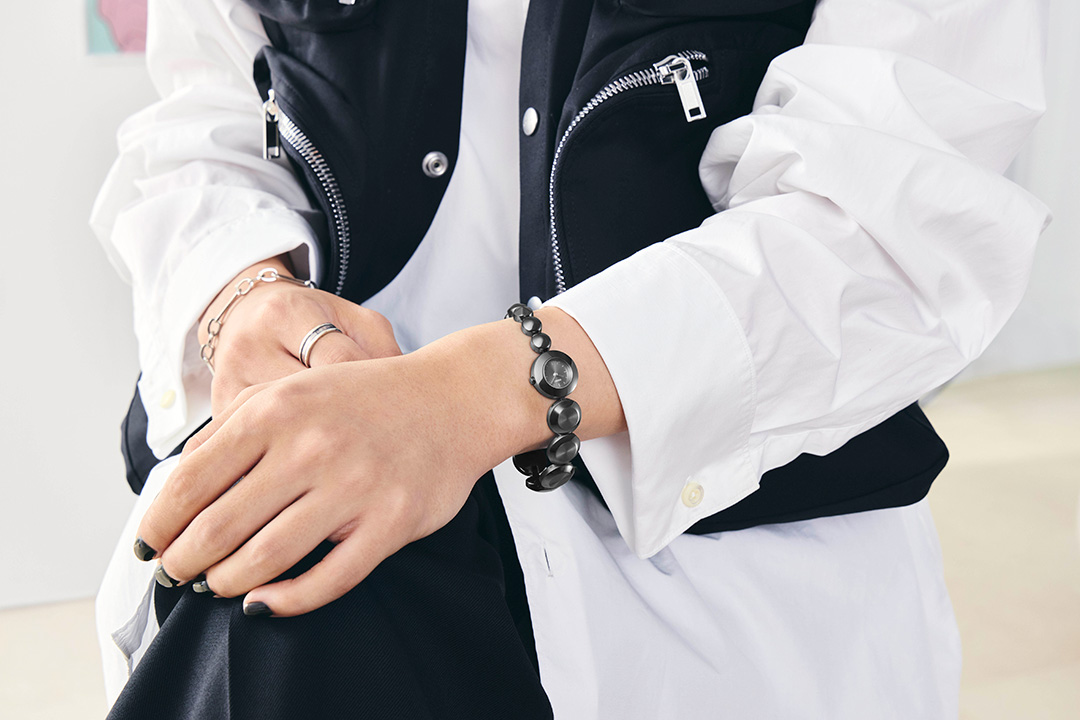
Suganuma: The most obvious feature of the updated watch is that the size
and shape of the bracelet links above and below the case are different. This is
intended to dispel the preconception that small watches are for women. By
assimilating the design of the case and upper bracelet, and boldly contrasting
the shapes of the bracelet links at the case, we tried for a design that does
not look like a wristwatch (in a positive sense). Our styling was also
influenced by our impression that large bracelets are coming into fashion right
now.
NAKAKI PANTZ: I see. That makes sense! I want to wear things that match my
taste. I favor designs that I find intuitively appealing, not things that are
designed for some specific need. That’s exactly what collection 1 is. It’s
casual enough for daily use, and the fact that it’s only available in three
colors—gold, silver, and black—is also cool.
I was also surprised that it was created by a young designer of my generation.
How do you find inspiration for your designs?
Suganuma: When I see something that I like, I try to identify the precise
elements that appeal to me. I don’t mean just three-dimensional objects, but
also traditional crafts and paintings. This makes me feel like I’m collecting
ideas from a variety of fields. I think, “I like this color,” or “This
combination of shapes is interesting.” One by one, I absorb little design ideas.
NAKAKI PANTZ: Like me, you draw inspiration from many sources. In my
case, I tend to browse Pinterest, Instagram, and other social media sites to
find references for things like color schemes. You get ideas from what you
physically see, touch, and feel directly, while I get ideas from two-dimensional
sources. Maybe the creative work is the same, but this difference reflects the
difference in the kinds of products we deliver. That’s quite interesting!
A watch that breaks stereotypes and appeals to personal sensibilities
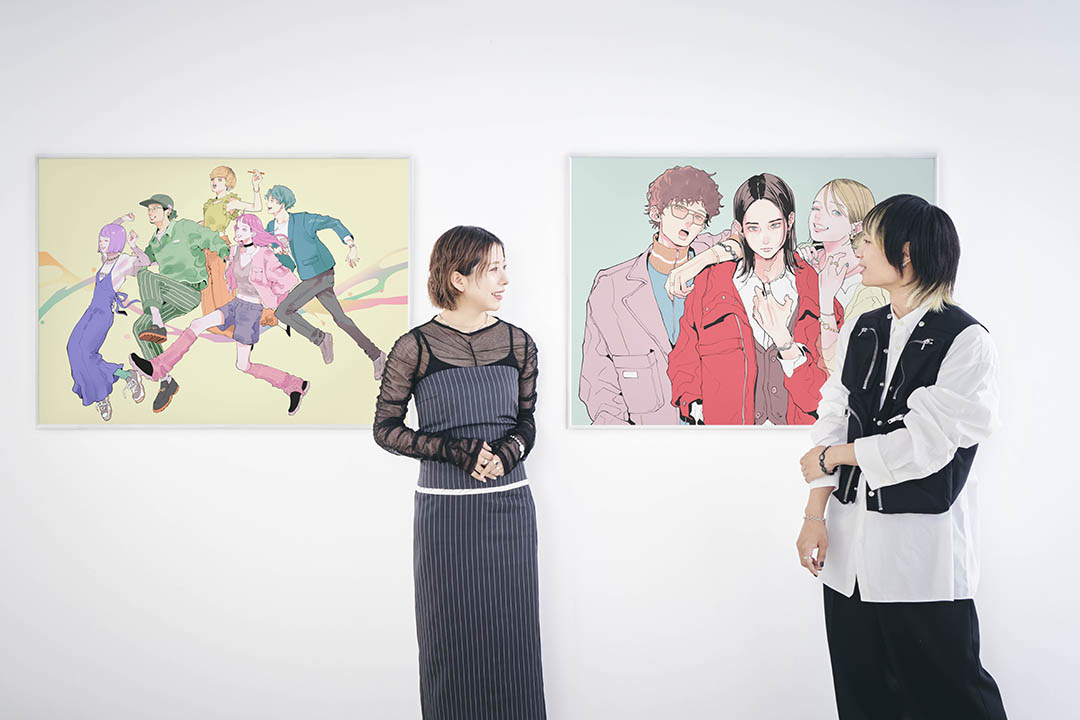
Suganuma also directed the key visuals for the Seiko power design project and collection 1. He was the one who called on NAKAKI PANTZ to do the illustration work.
Suganuma: When I tried to think of visuals, I imagined the kind of
characters that NAKAKI PANTZ typically draws. I related strongly to her
aesthetic. I felt that her sensibility, which feels simultaneously nostalgic and
new, would be a good match for this project. So, I reached out to her.
NAKAKI PANTZ: Thank you very much. I was a bit worried about whether I
could handle work from such a traditional company, but I really wanted to live
up to the expectations. Since the collection 1 watch will be worn by people from
various age groups, I worked with a sense of mission, continually reflecting on
the reasons that I was selected for this project.
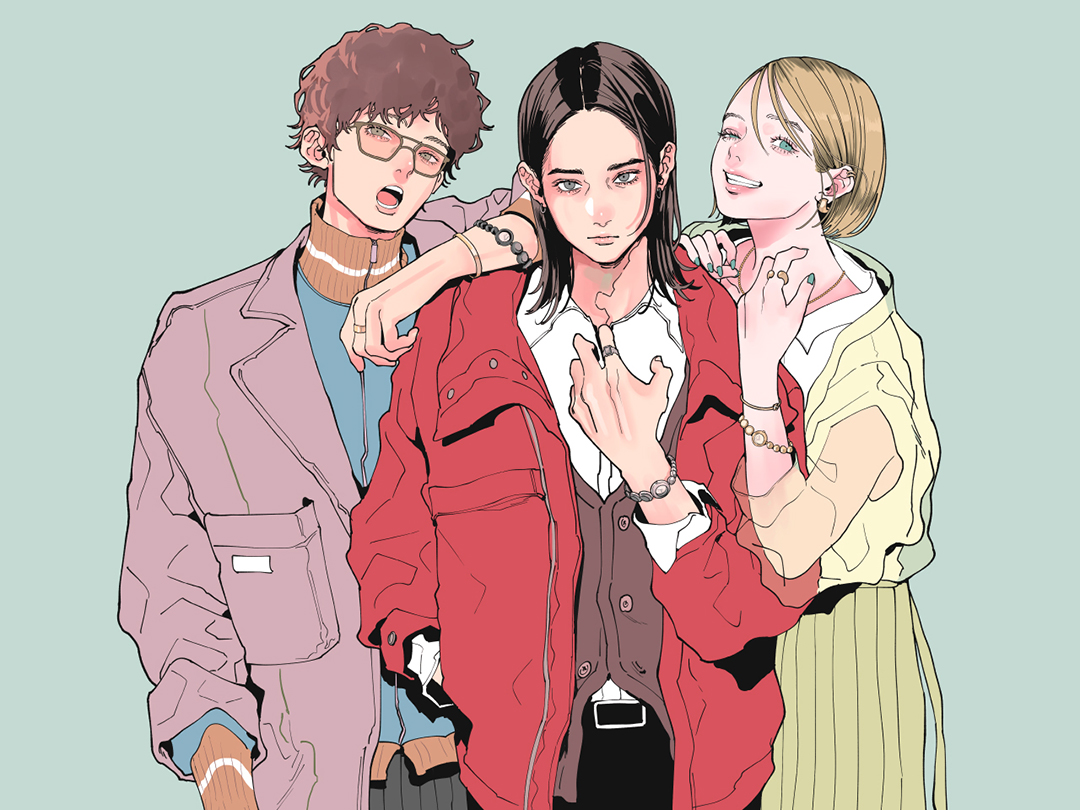
One thing I’m sure of is that the people who choose this watch are looked up to
by the people around them. In designing the three characters, I envisioned
individuals who make people feel, “I want to be like them,” or “I want to wear
the same watch that they wear.” In my personal work, I often draw characters who
wear a variety of accessories. The visuals for collection 1 seem just right. The
watches look very natural, yet distinctive. I feel happy about the visuals.
Suganuma: I was impressed at every stage of the visual production
process. It was great fun to see the characters I imagined wearing the watch
come to life so beautifully. Fundamentally, the heart of watch design is asking,
“What watch would I want to wear?” I also provided you with a lot of fashion and
portrait photos as reference materials, focused on these questions: “Who would
we like to be” and “Who would we like to see wearing the watch?”
NAKAKI PANTZ: You conveyed a detailed vision to me, so I was glad that we
were able to coordinate with each other so closely. When I create a character, I
start by deciding on their personality or another essential quality. For the
central character, I wanted to portray a strong, self-assured person without any
clear gender identity.
Suganuma: We wanted this watch to appeal to individuals who are free of
preconceptions and make choices based on their personal sensibilities. Even in
the key visuals, we were able to avoid rigid stereotypes. The other visual is on
the theme of the Seiko power design project. That is also very nice.
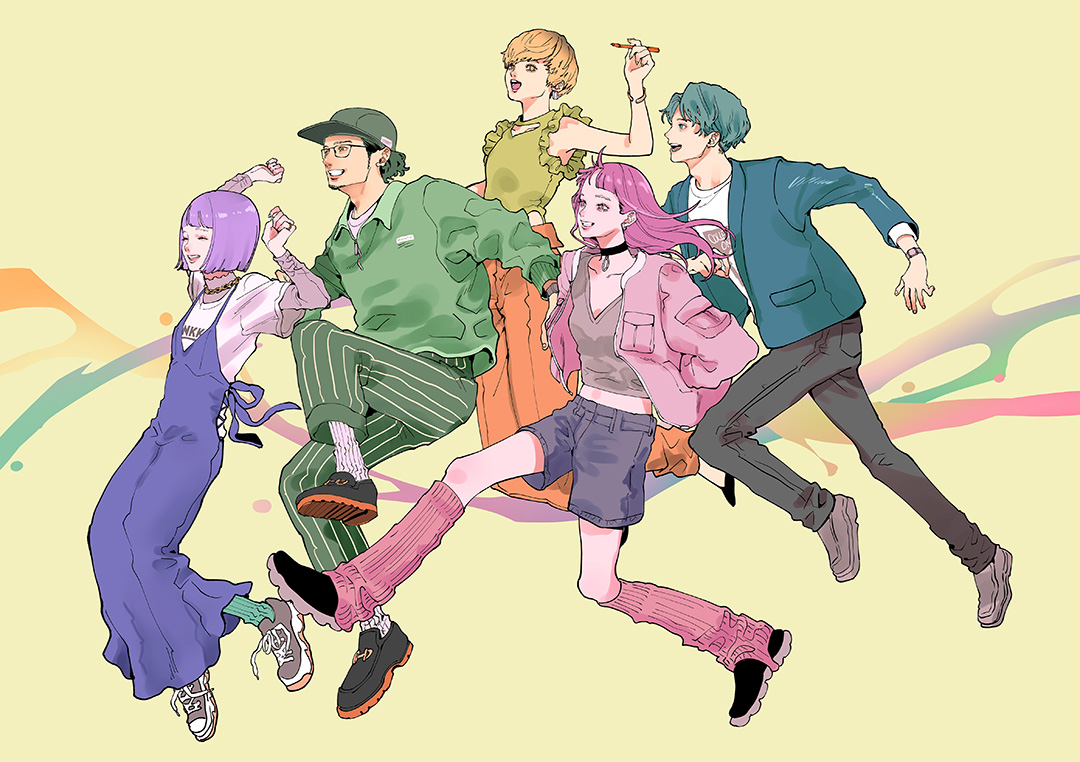
I wanted a visual that captured the attitude of the designers as they worked
together on the project. I asked you to express dynamism and momentum, and an
atmosphere of the team members enjoying themselves.
NAKAKI PANTZ: I created five colorful people, in purple, green, yellow,
blue, and pink, taking care not to make them look like a squadron. The five are
all slightly different in age and gender, but they are moving forward in the
same direction. It’s a bright and positive image, I think.
Suganuma: The Seiko design team is made up of many kinds of individuals.
I was, therefore, happy that you could accurately express this diversity in the
visuals.
The sensibilities of creators move the feelings of people
Given its long history, Seiko tends to be viewed as a company that values
tradition. In light of this, what role will the Seiko power design project play
in the future?
Suganuma: For our regular models, we have to focus, to some degree, on
designs that are acceptable to a broad range of people. That’s one of the jobs
of designers, but I think our role is also to show that we can think outside the
box and generate interesting ideas and solutions.
I believe it is a truly meaningful endeavor to have many creative designers, to
faithfully transform their sensibilities into products, and to bring them into
the world in a form that people can actually wear.
NAKAKI PANTZ: I thought the same thing while working on this project.
Seiko has a conservative image, so I was surprised to see the company creating
watches in such a playful way. I was pleased to see an approach to design that
is so outside the box produce such beautiful results.
If I were a product designer and were shown the design of collection 1, I would
definitely feel frustrated. Some might feel they could almost arrive at such an
idea, but turning an “almost” into a breakthrough is incredibly difficult. That
last step often depends on a mix of timing, chance, and inspiration. In the end,
creative work is really just a repetition of that process, isn’t it?
Suganuma: I believe that the feeling of “I might have come up with that
myself” is a very important aspect of design. In other words, it is a form of
empathy. Small realizations and discoveries in everyday life can turn into new
value for someone, or resonate with others. And that sense of connection may
well be what leads to the moment when something truly wonderful is created.
Profile
NAKAKI PANTZ is an illustrator. Her illustrations of women who are strong, pretty, and true to themselves have enjoyed widespread acclaim, leading to her creative work for numerous fashion brands. She also works professionally to create advertising visuals, music video illustrations, and other content. In this project, she was commissioned to produce the key visuals for the Seiko power design project and collection 1.
Yuya Suganuma, a designer at Seiko Watch Corporation, joined the company in 2021. Currently, he works on the design of Seiko brand products, focusing on the Seiko 5 Sports collection. He played a key role in the design of “TISSE our time,” announced at the 2022 power design project “REBIRTH” and commercialized under the name “collection 1.”
Report & text:Tetsuo Shinoda